Today marks the thirtieth day of my second experiment with a purely plant-based diet, or veganism: relying entirely on plant foods and steering clear of anything to do with animals and their by-products.
Animal welfare aside, writing about this subject in the midst of the Syrian crisis may seem like madness. But I chose veganism as a way of eating because of my earlier experience with it, five or more years ago, and how much my health improved at the time. In a later post I will explain why I was forced to give it up, even though I enjoyed that experience enormously.
I went back to a plant-based diet for one reason alone: my research into the best diet for resistance training and muscle building, and what the body needs to support them, along with the fact that I was getting nothing out of a mixed animal-and-plant diet.
How I made the switch to veganism
From day one I cut out animal products completely. Being in military service made this far easier: although our staple food here relies heavily on eggs, being away from markets, restaurants and shopping helped me drop these products immediately.
The second step was cutting salt and oil to a minimum, or avoiding them altogether much of the time, which meant turning to spices to make up for the flavour. I did not give up salt entirely, but as I said, I kept it to the bare minimum.
I also switched to traditional Arabic flatbread instead of the bread handed out to us from the state bakeries. This cut down how much wheat I ate, because Arabic flatbread, the brown saj kind, is rich in fibre that fills you up quickly. As a result, I discovered that wheat gluten has some ill effects on my health.
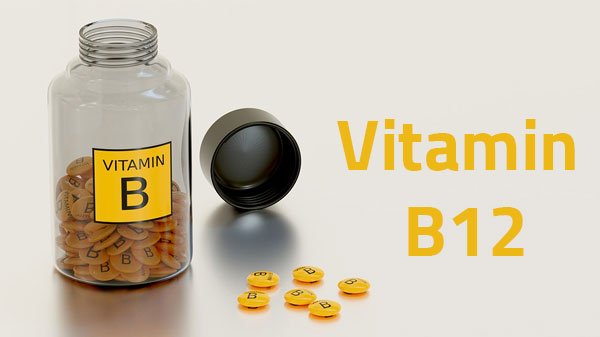
The third step was buying a tub of multivitamins to cover any shortfall in the minerals, salts and vitamins the body needs.
I should add that I have not taken sugar in any drink, whether coffee, mate or tea, for more than five years, and for years I have given up fizzy drinks almost entirely.
I have a serious sweet tooth, so another perk of military service is that I am a long way from any source of temptation 😁
The benefits of going vegan
Having covered the steps, let's turn to what I have gained from this diet:
I have lost more than 5 kilograms; my sleep has improved remarkably; I have more stamina and stay highly energetic through most of a fairly long day; I can lift heavier weights at the gym; I enjoy preparing food in the simplest and quickest ways possible; and I have broken with the idea of a traditional breakfast built around eggs, labneh and the other usual staples.
For breakfast I now eat something close to Egyptian koshari, for example: rice and boiled lentils with an excellent blend of spices 😁
Another benefit is how much better I understand my body's needs, and the pleasure of reading the latest research and studies as they develop, away from the commercial marketing of plant-based products. I almost never buy anything packaged.
I wanted to write about my experience with something I hope to stick with for the rest of my life. Day by day, God willing, I will write more about plant-based eating, photograph what I eat each day along with its nutritional value, and share the latest research, studies, videos and plant-based resources, while debunking many of the myths that surround veganism.
I am happy to answer any question you have about plant-based eating, and will do so gladly. Contact me.
What is veganism?
Veganism, or strict vegetarianism, is a plant-based way of eating: abstaining from the use of animal products, particularly in diet, together with an associated philosophy that rejects the commodity status of animals. A person who follows it is called a vegan. Several categories of veganism can be distinguished. Dietary vegans abstain from consuming animal products, not only meat but also eggs, dairy and other substances derived from animals. The term ethical vegan is often applied to those who not only follow a vegan diet but extend the philosophy into other areas of their lives, opposing the use of animals for any purpose. Another term is environmental veganism, which refers to avoiding animal products on the grounds that industrial animal farming is environmentally damaging and unsustainable.